Cover vs Store vs Oil: Picking a Winter Plan for Garden Furniture
As an Amazon Associate we earn from qualifying purchases. Some links on this page are affiliate links, which means we may earn a small commission if you make a purchase.
You bought a decent set for a rare summer heatwave. A couple of years on and the UK winter is coming again, the patio looks like it’s been through a war, and you’ve got three different pieces of advice rattling around in your head — store it, cover it, or oil it up before the cold sets in. Your other half says move it into the garage. The furniture brand sent an email suggesting their proprietary oil. And somewhere at the back of your mind sits the warning that covers just trap mould in anyway. Sound familiar?
Here is the practical winter plan that actually works in the UK — not the one that sounds good in a care leaflet, but the one that holds up from November through to March when the rain hasn’t really stopped and the temperature has barely climbed above eight degrees. The honest answer involves all three options, but not equally, and the trade-offs are not the ones most people expect.
What a UK Winter Actually Tests
Garden furniture left out over a UK winter is fighting three separate battles, and mixing them up is how people end up with the wrong plan.
Job 1: physical survival. Wind, frost, and the odd falling branch all put stress on joints, glass tops, and lightweight frames.
Job 2: keeping cushions from rotting from the inside. Damp cushion cores take days to dry even when the surface looks fine, and that slow moisture hold is where mildew starts. This holds regardless of what the cushion cover claims — even “all-weather” fabric doesn’t stop the foam underneath holding water, so the cores need to come in or go somewhere properly dry, cover or no cover.
Job 3: staying usable. A set that needs a full weekend’s effort to retrieve from a storage unit in May is a set that stays in the storage unit.
Those three jobs map onto your three options:
Store it. Moving furniture into a garage, shed, or rented unit removes it from the weather entirely. It wins on physical protection and cushion safety — if you actually bring the cushions in too. The trade-off is effort: for heavy cast-iron tables or large corner sofa sets, moving them is real work, and it needs doing twice a year.
Cover it. A cover acts as a barrier against rain and wind, keeping the furniture in place so you can pull it off and use it the moment the sun returns. The honest trade-off is that a cover does nothing for cushions sitting on wet ground — water wicks straight through the fabric and into the foam underneath. And a cheap cover with no breathability will trap condensation, leaving your furniture wetter than if you’d left it bare.
Leave it exposed. Not really a strategy, more a non-decision, and it costs you on all three jobs. Exposed furniture copes reasonably well if it’s solid teak or powder-coated aluminium; anything with cushions, glass, or softwood will deteriorate faster.
RHS advice backs this up: store furniture at the back of the garage or shed if you have the space, and tilt anything left outside so the feet stay off wet ground — that alone slows the rot considerably. It’s sound advice, but it assumes you have both the space and the muscle to move the set.
Clean it before you do anything else. A layer of grime under a cover becomes a moisture-retaining skin. Get the guide to cleaning garden furniture properly so you’re not sealing in a problem.
The Teak Oil Trap
Here’s the bit that brands won’t tell you, and it’s worth knowing before you buy a tin of oil at all.
📺 Watch: How to clean your teak using SEMCO Teak Cleaner — Semco Teak Products
Oiling teak before winter is usually a waste of money in the UK. Not always — there are exceptions — but in most UK winters, the timing simply doesn’t work.
Teak oil is a penetrating oil that needs 24 to 48 hours of consistently dry weather to cure properly; in damp, humid conditions that stretches out further still. Once cured, it sits in the wood grain and repels water. The problem is the calendar: UK winter rainfall typically falls on around 10 to 13 days a month between November and February, meaning rain arrives roughly every two to three days on average. Apply the oil and you’re racing the next weather front. More often than not, the rain wins, washing the oil straight out of the grain and leaving a surface that’s now slightly damp and more receptive to whatever you put on it next.
Owners who reach for teak oil in autumn tend to hit the same wall: it takes longer to dry than expected, needs multiple coats, and the results don’t last — you’re back doing it again next season regardless. Ronseal’s teak oil, Thompson’s Teak Oil, and Liberon all draw the same complaint from real buyers: drying time is the weak point, and that weakness is fatal when you’re trying to get a coat on before the winter rains properly set in.
The alternative most people overlook is letting the teak silver naturally. Teak’s grey patina isn’t deterioration — the Teak Wood Information Center explains it as a stable surface layer that forms when the wood’s natural oils oxidise under UV; the wood underneath stays structurally sound. A breathable cover over silvered teak through winter is the most effective protection going, because it keeps the worst of the rain off while the fabric still lets any residual moisture escape.
So: for teak in UK conditions, skip the oil before winter. Clean it, let it dry, and put a breathable cover over it. If you still want that honey-brown colour back, do it in late spring when there’s a genuine stretch of dry weather ahead of you — not in October with a front three days out.
Cover, Store, or Ride It Out
The honest answer here rests on three things: how heavy the furniture is, how much it’s worth, and how much space you’ve actually got.
Heavy or valuable, with somewhere to put it → store it. The cost of replacing a snapped cast-iron leg or a cracked glass top far outweighs the effort of moving the set once. A solid cast-iron table typically takes two people and a sack barrow to shift — real effort, but it’s the difference between the table surviving a bad storm and a leg snapping clean off something left standing in the open. If you’ve got a garage, a shed, or even a dry corner of a utility room, use it. Bring the cushions indoors or seal them in a waterproof bag — a cover alone won’t keep them dry if the bag ends up sitting on a damp floor. No storage space at all? Then cover is your only option, but the cover needs to be breathable and the furniture needs to be completely dry before it goes on.
Lightweight, or storage is tight → a breathable cover. This covers most rattan and resin-weave sets, which are light and often awkward to get through a house. A decent breathable cover keeps off the worst of the rain, stops wind stress on joints, and means you can pull it off and sit down the moment the weather turns. The catch is that covers need checking every few weeks — a cover that’s slipped or pooled water is worse than no cover.
Budget furniture, or you don’t mind a bit of weathering → leave it out. Under £200 and not precious about it? Leaving it exposed is the “good enough” option, provided it’s not sitting in a flood zone. Solid aluminium and synthetic rattan hold up reasonably well to a UK winter left out, though the cushions still need bringing in regardless of what you do with the frame.
Here’s the same call as a quick reference:
| Furniture Type | Best Option | Key Consideration |
|---|---|---|
| Heavy Cast Iron | Store | Requires effort but protects against storm damage |
| Valuable Glass | Store | Replacement cost outweighs moving effort |
| Lightweight Rattan | Cover | Easy to retrieve but needs regular checking |
| Budget Sets | Leave Exposed | Acceptable if not in a flood zone |
| Teak | Cover (No Oil) | Silvered patina is stable; oil rarely cures in time |
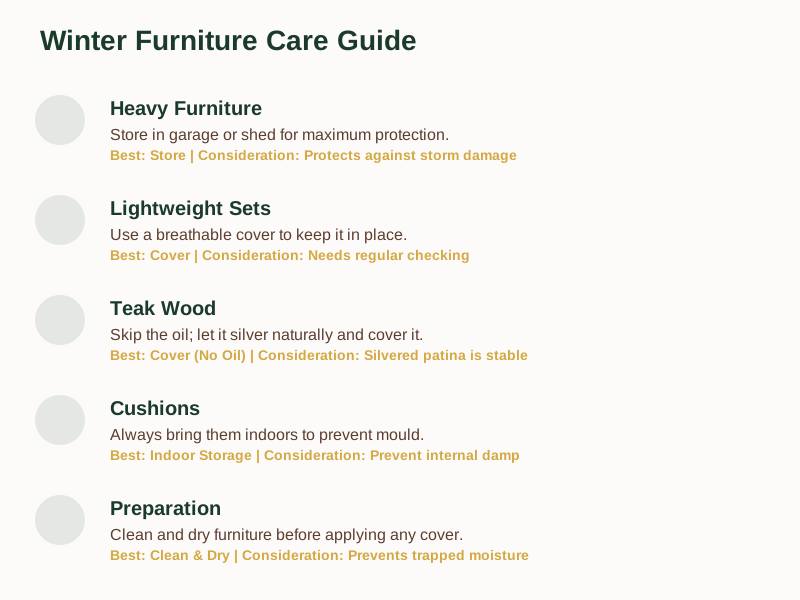
Still not sure which row is yours? Get the Free Garden Furniture Care Checklist — it walks through the specific questions that settle it for your furniture and your garden.
Buying the Right Cover
If you’ve landed on a cover, the next question is what actually works in UK conditions — and it’s rarely the cheap one from the petrol station.
Covering damp furniture deserves a word of warning on its own: only do it once the furniture is bone dry. A cover over a wet frame just traps the moisture underneath and manufactures the exact conditions that cause mould. Wait for a dry spell, wipe it down, let it air for a few hours, then cover.
Material: breathable is non-negotiable. A standard plastic tarp or an unbreathable cheap cover traps condensation against the furniture with nowhere to go, and you end up with mould on the frame and the cushions. Look for covers described as breathable — usually a polyester or woven fabric with a waterproof but vapour-permeable coating. They cost more, typically from around £20 to over £100 depending on size and quality, but they genuinely do the job.
Fit: tight enough to stay put, loose enough to breathe. A snug-fitting cover resists wind lift, but it needs a little clearance around the furniture for airflow. Covers with drawstrings or velcro straps at the base are worth paying for — they stop the wind getting underneath and turning the whole thing into a sail.
Features that earn their price: waterproof seams (the stitching is where water gets in, not just the face fabric), UV resistance for the sunny spells the cover sits through in spring and summer, and a bit of padding at the base if it rests on a hard surface. Some owners find Fabsil Universal Protector (paid link) effective for reproofing older covers that have lost their water repellency — it carries a strong solvent smell during application, so plan for good ventilation and ideally a dry day.
Check Amazon price → (paid link)
What to avoid: covers with no ventilation, covers too small so you’re stretching them taut (which stresses the seams), and anything billed as “waterproof” without specifying breathable. A genuinely waterproof but non-breathable cover over damp furniture is a mould factory, full stop.
It’s one of those areas where the budget option is genuinely false economy — a cheap cover that rips in the first February gale costs you the same as a proper one, plus you still have to go and replace it mid-winter.
As an Amazon Associate we earn from qualifying purchases. The products linked above are ones we recommend based on independent research and owner feedback.
The One Mistake That Undoes All Three
Everything above assumes you get one thing right: never cover or store furniture that isn’t completely dry. That single habit causes more mould, mildew, and rot than any choice of oil, cover material, or storage location — get it wrong and it doesn’t matter which of the three options you picked.
Beyond that, the plan is straightforward. Store what’s heavy or valuable if you have anywhere to put it. Cover what’s light with something breathable, checked every few weeks. And for teak specifically, let it silver rather than chasing a coat of oil that the UK winter calendar won’t let cure — this draws on RHS’s own storage advice and on how teak ages, and pairs well with Garden Organic’s wider guidance if you’re working through the rest of the garden for winter at the same time. None of it replaces checking your own set’s specific care instructions.
Related Guides
For a complete overview, see our How to Winterise Garden Furniture in the UK.
Working through your own situation — furniture material, storage space, budget, cushion situation? Get the Free Garden Furniture Care Checklist to make sure you’re not missing a step before the cold properly sets in.