How to Fix Saggy Cushions (Without Buying New Ones)
As an Amazon Associate we earn from qualifying purchases. Some links on this page are affiliate links, which means we may earn a small commission if you make a purchase.
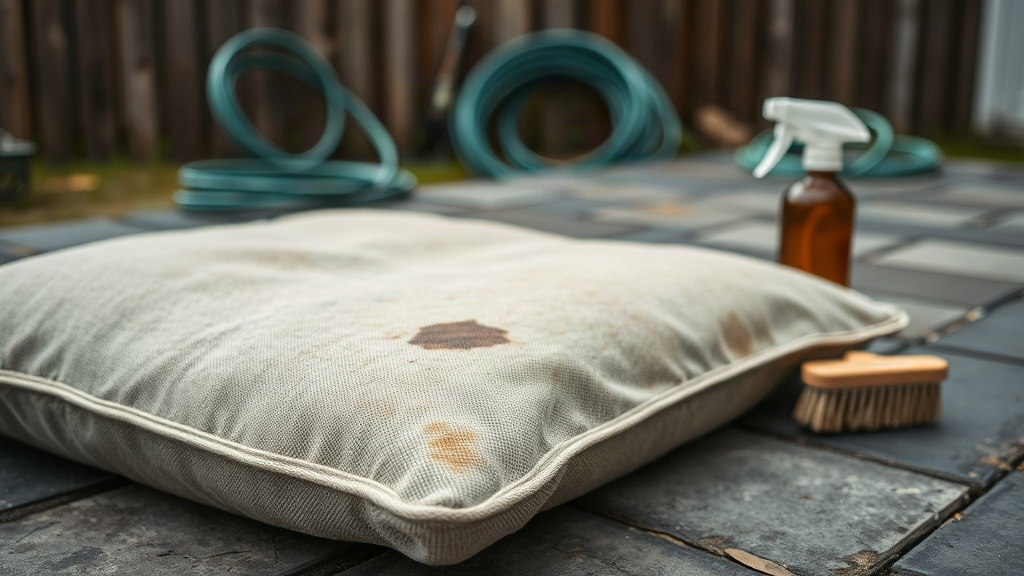
Sit down on your patio set expecting support, and your hips just sink. The cushions have lost their shape after a couple of UK winters, and the whole set looks tired even though the frame is fine. The usual advice is to buy replacements — a new set for a standard two-seat sofa can run anywhere from around £30 for a basic set up to well over £100 for anything decent-sized or better made — and nobody wants to spend that every couple of years on a product that keeps failing the same way.
Sagging is fixable, and replacement is avoidable more often than the cushion aisle would have you believe. Before reaching for a card, it’s worth ruling out the alternatives: ignoring the problem just makes it worse, and a straightforward care routine costs a fraction of the price while extending the life of what you already own. This article covers why cushions fail, what actually brings them back, and the maintenance approach that pushes new cushions years further out rather than months. If you’ve already got a saggy set and want the insert-kit-or-repair-kit answer, skip to that section — but the cost picture below is worth reading first, because it’s what decides which fix actually makes sense.
Why Garden Cushions Fail in the UK
The failure modes are predictable because they’re physical. Three things break down garden cushion foam and fabric in a typical British year: UV radiation, trapped moisture, and dirt abrasion.
UV rays penetrate the fabric and break down the polymer chains in the foam; the structure doesn’t snap, it loses its internal spring. Moisture is the bigger culprit. Cushions absorb water during autumn and winter rain, and if they’re stored badly, that moisture stays trapped inside the seams and filling. Mould colonises the damp foam, eating away at the structure from within. By spring, what looked like a dry cushion is actually a degraded foam core that compresses permanently under any weight.
The third factor, dirt, sounds trivial but compounds over time. Dust and pollen work into the fabric weave and act as fine abrasives, wearing the surface down. Combined with UV, it creates a fabric that looks faded and feels brittle, with no resilience left in the foam.
The mistake most owners make isn’t neglecting the cushions, but leaving them outside under a cover all winter. A non-breathable cover traps every bit of moisture the cushions release, creating the warm, damp environment mould loves. A UK winter-storage guide specifically warns that cushions need to be bone-dry before they’re stored, and that some covers are sponge-clean only — meaning they weren’t designed for a full season of British rain. For more on getting storage right, see our garden furniture storage guide.
What Actually Costs More: Buying New or Maintaining What You Have
Buying a replacement set doesn’t fix anything structural — it resets the clock for a couple of years and then you’re back here again, paying full price for a set that will fail exactly the same way if nothing else changes. Doing nothing is worse: an already-sagging, damp-affected cushion degrades faster the longer it’s left, not slower. That leaves maintaining what you have, and the reasoning behind it holds up.
A basic care routine — an occasional clean, a reapplication of waterproofing spray, and storing the cushions properly over winter — costs roughly the price of one spray can and one tub of fabric cleaner a year, each typically in the £10-15 bracket. Set against a replacement set that can run into three figures, the maintenance route wins on cost within the first cycle, and it keeps winning every year the set doesn’t need replacing after that. The mechanism is straightforward: cleaning removes the dirt that grinds away at fabric fibres, waterproofing spray reduces how much moisture reaches the seams and foam, and proper storage removes both UV exposure and the moisture-trapping that causes mould. Skip one of the three and you lose a chunk of the benefit, because each step answers a different one of the failure modes above.
For context, a decent fabric protector spray (Fabsil Universal Protector (paid link) is the one worth its salt here, and runs around £12-13 for a 600ml can) covers multiple cushion sets and lasts a season or two before it needs reapplying. A tub of specialist outdoor fabric cleaner sits in a similar price bracket. Neither is expensive on its own. The saving comes from doing this every year rather than only remembering once the cushions are already sagging and a new set looks like the only option left.
Check price on Amazon → (paid link)
Insert Kit or Repair Kit: Matching the Fix to the Actual Problem
If the cushions have already started to sag, cleaning and waterproofing won’t fully restore them — the foam has partially compressed and won’t bounce back on its own. At this point you’re choosing between two intervention types, and the right one depends on the problem.
📺 Watch: How I re-fluff and repair flat, saggy couch cushions. — mimzy & company
The SagsAway Cushion Insert Kit works by adding thickness to the base of the cushion, sitting underneath the existing foam rather than trying to rebuild it. It’s marketed as a “delays replacing sofa” product, which tells you exactly what it thinks it’s up against. For sagging caused by foam compression, this is the direct physical fix: you’re adding material at the point where support has been lost, and the result is immediate. Reviewers on retail platforms generally describe it as adding noticeable thickness and restoring the seat’s feel.
A DIY cushion repair kit takes a different approach — it’s built to fix a specific defect, like a tear or a localised puncture, rather than restoring general support. That distinction matters more than it sounds: if your cushion has a split seam or a hole, a repair kit is the right tool. If the whole thing has simply gone flat from compression, an insert kit does a job a repair kit was never designed for.
The call: for sagging — the most common failure mode after a couple of UK winters — the insert kit wins. For a tear or puncture, reach for the repair kit instead. One thing worth knowing: a repair kit doesn’t extend the cushion’s overall lifespan the way an insert does, because it treats the symptom rather than the underlying compression. If the foam is degrading from age and moisture throughout, patching one hole doesn’t stop the rest of it going the same way.
For guidance on the broader repair picture, see our garden furniture repair page.
The Routine, Step by Step
Once you’ve restored or are maintaining your cushions, the routine is simple. Three steps, once or twice a year, and you’re covering the main failure modes.
Step 1: Clean. Brush off loose dirt and clean the fabric with a mild soap solution or a specialist outdoor fabric cleaner. Avoid harsh chemicals — bleach will degrade synthetic fabrics and can break down the waterproof coating you’ve just applied. If there’s surface mould, a dilute solution of white vinegar applied carefully and then rinsed off handles it without the damage bleach causes.
Step 2: Waterproof. Apply a fabric protector spray — Fabsil Universal Protector (paid link) is the standard recommendation in UK outdoor circles, or Nikwax Tent & Gear SolarProof (paid link) if you want added UV protection built in. Both work by binding to the fabric fibres and repelling water at the surface rather than soaking in. Apply to a clean, dry cushion, use in a well-ventilated space, and let it cure fully before use. Budget sprays like Kiwi Camp Dry exist and can provide basic water resistance, but owners report patchier coverage and a stronger smell. For cushions you’ll be relying on for a few seasons, the better-quality options are worth the extra cost.
Step 3: Store. This is the step most people skip or do wrong. Cushions need to be completely dry before storage — not just surface dry, but all the way through, which can take 48 hours in a warm, ventilated space. Where you leave them from there matters just as much as the drying itself. Left outside under a cover for winter, they’re at real risk unless that cover is breathable and the cushions went in dry. Sealed inside plastic bags is worse, not better — bagged-up cushions trap the moisture that causes the mould problem in the first place, so a linen storage bag or a garden furniture storage box with some airflow works far better. Bone-dry and ventilated is the safe end of the scale; surface-dry-only is the trap that catches most people, because the foam underneath is still holding water it hasn’t had the chance to release. If you’re relying on a furniture cover through winter rather than a dedicated storage box, make sure the cushions go under it dry, or better, take them out of the weather altogether rather than leaving them trapped under a non-breathable layer.
Now you know what to look for — Get the Free Garden Furniture Care Checklist to keep this routine clear.
Frequently Asked Questions
Can I put my garden cushions in the washing machine?
Check the care label first — many outdoor cushions have fabric that isn’t designed for machine washing, and the agitation can damage the foam. Hand-washing with lukewarm water and mild soap is the safer approach for most outdoor cushion covers. If the cover is removable and the label permits it, a cool, gentle cycle can work, but always air-dry completely before refitting.
How often should I reapply waterproofing spray?
Once a year is the practical minimum — typically in late summer or early autumn before the wetter weather arrives. If you give the cushions a deep clean mid-season, reapply afterwards too, as cleaning will have stripped some of the previous coating. UK winters are harsh enough that leaving two years between applications is pushing it.
Will waterproofing spray make my cushions stiff?
Quality sprays like Fabsil are formulated to be flexible and invisible once cured — they shouldn’t change how the fabric feels significantly. Budget alternatives can leave a slightly stiffer or tackier surface, particularly if applied heavily. Apply in thin, even coats in a well-ventilated area and let each coat cure before adding another, to avoid the heavy residue that makes cushions feel plasticky.
As an Amazon Associate we earn from qualifying purchases. The products linked above are ones we recommend based on independent research and owner feedback.
Where This Leaves You
Saggy cushions aren’t a sign you need a new set. They’re a sign the foam has compressed and needs physical support back — which is exactly what an insert kit provides — and that the rest of the set needs a maintenance routine so the same thing doesn’t happen again in another couple of years.
The routine itself isn’t demanding: clean, waterproof, store properly, once or twice a year. Weighed against buying a replacement set every couple of years, it’s the cheaper habit by a wide margin over time, and it’s the only one of the two that actually fixes why the cushions failed rather than just resetting the clock. Fabsil publishes its own application guidance if you want the manufacturer’s version alongside this one.
If you want a structured version of this to keep somewhere practical, grab the free garden furniture care checklist below — it has the seasonal routine, the product notes, and the key decision points on one page.
Related Guides
For a complete overview, see our How to Clean Garden Furniture Cushions and Keep Them Looking New.
Got questions about a specific product or your own set-up? Get in touch and we’ll point you toward the right approach.