Glass Table Top: Repair vs Replace (UK Cost Guide)
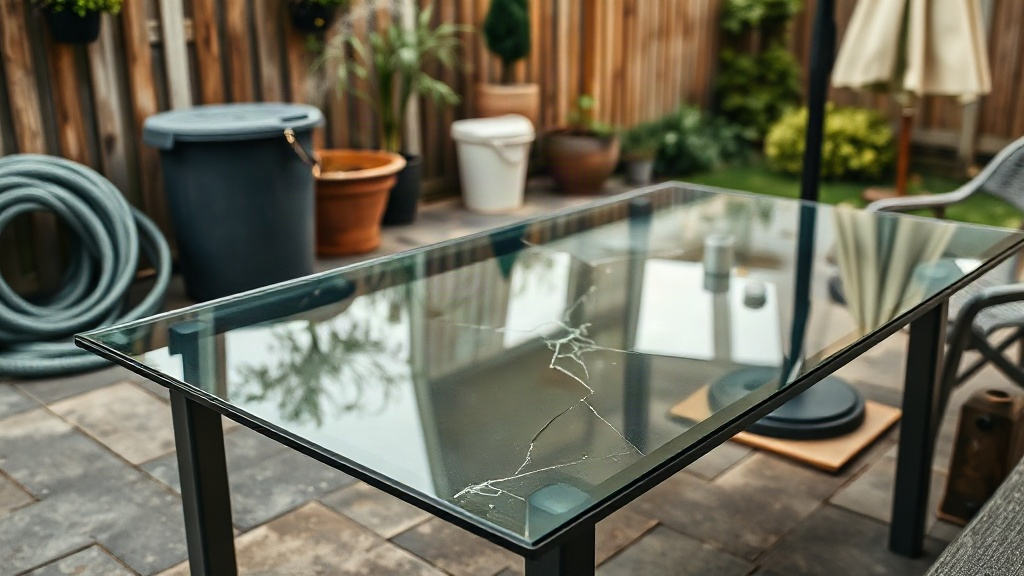
A cracked glass patio table on a June afternoon is a domestic crisis that feels bigger than it is. One moment you’re setting the table for dinner, the next there’s a fracture running across the surface. The instinct is to head to the retailer’s website to search for a replacement panel, where you’ll likely find prices that seem wildly out of proportion.
Here is the thing most people don’t realise until they’ve already paid over the odds: patio table glass is a commodity product. It is standard tempered glass, cut to size. Dozens of UK glaziers will make you one for a fraction of what the furniture brand charges for a “replacement top” that is, mechanically, the same thing.
This guide walks you through how to measure correctly, where to buy, what to pay, and how to keep your new glass intact through a UK winter.
Measure for Success (UK Rules)
Before you ring anyone, you need three numbers. Getting these right saves you from ordering glass that doesn’t fit — a common mistake that comes up repeatedly in DIY forums and means waiting for a replacement and paying delivery twice.
For rectangular or square tops: measure the length and the width in millimetres. Measure from the inner support edge — the part that actually bears the glass, not the outer frame lip. If you measure the frame instead, you’ll end up with glass that’s too big.
For round tops: measure the diameter. The same rule applies — measure the actual seating surface, not the decorative rim.
Thickness matters. Most patio table glass is either 4mm or 6mm tempered. The thinner 4mm is fine for smaller tables, but if yours is pushing towards a metre across, 6mm gives you better resistance to flexing and stress.
The parasol hole question comes up constantly. If your table has a central parasol hole, it’s almost always 50mm in diameter and placed dead centre. Measure the old glass if you still have a piece of it — that’ll tell you exactly what you need. If the frame has a hole but no glass, measure the frame hole directly.
Worth doing while you’re at it: measure both diagonals on a rectangular table. If they don’t match, your frame has warped slightly. Use the smaller dimension for your glass order to ensure it fits without cracking under stress.
Don’t forget to download our Garden Furniture Care Checklist. It has a simple measurement recording section so you can note down all three dimensions before you contact a glazier, and avoid the back-and-forth of forgotten numbers.
The Cost Verdict: Glazier vs Retailer
This is the bit that makes the whole article worth reading.
A custom-cut tempered glass table top from a UK glazier typically costs somewhere between £90 and £250, depending on size, shape, and whether it needs a parasol hole cut. A small coffee-table-sized panel can come in under £100; a full-size round or rectangular top with a hole often lands closer to £200. Delivery is usually included, though coverage and lead times vary by glazier. The same glass — mechanically identical, same material, same tempering process — from the furniture brand or a dedicated patio furniture retailer will often set you back £200 to £350 or more for an equivalent size.
The reason is straightforward. Patio table glass is standard tempered glass, not a specialised product. UK glaziers cut it from stock sheets. The only variables are the edge finish (polished versus ground — polished costs a little more but looks cleaner and is less likely to chip) and the corner shape. Beyond that, you’re paying for a branded box and a supply chain, not better glass.
For most UK homeowners with a standard rectangular, square, or round patio table under about a metre in any dimension, a local or online glazier is the right call, plain and simple. The cost saving is real and substantial.
The flip — and this matters — is size. Once you’re above roughly a metre across, square or round, 4mm glass starts to flex under load in a way that increases the risk of stress fractures. At that point you want 6mm glass at minimum, and some larger tables genuinely benefit from 8mm. A glazier can advise on this; a branded replacement will just sell you what they have in stock.
There’s also a convenience argument for branded replacements when the table has a complex shape — unusual radiused corners, multiple holes, a non-standard thickness. If your table is a bespoke piece with odd geometry, the branded option might save you a conversation with a glazier who needs to make a template. But for the vast majority of standard UK patio sets — the 120cm round, the 90x90cm square, the 150x90cm rectangle — the glazier route is the clear winner.
| UK Glazier | Branded Retailer | |
|---|---|---|
| Typical cost | £90–250 | £200–350+ |
| Lead time | 1–3 weeks (longer for circular cuts) | Varies — sometimes in stock, sometimes a multi-week wait |
| Custom shapes | Yes, with template or drawing | Limited to stock range |
| Edge finish options | Polished or ground | Usually one option |
| Best for | Standard shapes, cost-conscious | Complex geometry, convenience |
If you’re replacing the glass on a teak or hardwood table and the frame itself has seen better days, it’s worth reading our teak oil guide at the same time — a frame in poor condition is worth restoring before you invest in new glass.
Safety First: Why Toughened Glass Matters
One thing worth stating plainly: you must use toughened (tempered) glass for a patio table replacement. Not standard float glass. Not annealed glass. Toughened.
The reason is safety. Toughened glass is heat-treated to put the surface into compression and the core into tension. When it breaks — and all glass can break — it shatters into small, blunt chunks rather than long, sharp shards. That’s the entire point. Standard float glass breaks into razor-edged splinters that can cause serious lacerations. A table that sits at elbow height in a garden, potentially near children, is not the place to cut corners on this.
This is the primary reason to use a reputable glazier rather than a generic online marketplace seller who might not be clear about what they’re supplying. Toughened glass sold in the UK should meet BS EN 12150, the British Standard that governs it, and a glazier who’s a member of the Glass and Glazing Federation is a reasonable proxy for one who knows what they’re selling. Ask explicitly: “Is this toughened glass, and does it meet BS EN 12150?” Any glazier worth their salt will confirm it without hesitation.
Something that surprises people: the edges of replacement glass don’t need to be mirror-polished to be safe. Ground edges — slightly rounded at the corners — are perfectly safe to handle and install. Polished edges look nicer and are marginally less prone to chipping, but if you’re trying to keep costs down, skip the polished option and put the saving towards 6mm rather than 4mm glass.
UK Winter Care: Protecting Your New Glass
Once you’ve got your new glass in place, the next question is how to keep it through a British winter — because the UK climate is genuinely hard on outdoor furniture.
The RHS advises maintaining and storing garden furniture at the end of summer, before the wet weather sets in. For glass table tops specifically, this means one of two things: store the glass somewhere dry (a shed, a garage, a loft), or if it’s staying outdoors, keep it off wet ground and covered with a heavy-duty waterproof cover.
The cover point is worth dwelling on. The mistake that comes up repeatedly in owner forums is using a cheap, non-breathable cover or one that doesn’t fit properly — flapping in the wind, pooling with rainwater, trapping condensation against the glass. A cover that holds moisture against the surface is worse than no cover at all, because that’s how mould starts and how freeze-thaw cycling puts stress on the edges.
If you’re leaving the glass on the table through winter, the practical checklist is short:
- Raise the table slightly off the ground — feet on paving slabs or a bench pad, not directly on soil or wet grass.
- Use a cover rated as breathable as well as waterproof, and make sure it’s secured so it can’t flap.
- Check the cover after any hard frost or thaw, and wipe off any pooled water.
- If the frame is wood, remember that glass doesn’t need oil but the frame does — see our teak oil guide for that side of things.
The honest reality is that glass table tops don’t need much maintenance. They’re not like teak, which needs oiling to resist silvering, or rattan, which can fray and UV-degrade. Glass just needs to be kept clean, kept dry over winter, and not subjected to thermal shock (don’t pour boiling water on a frozen glass top — it can crack).
Frequently Asked Questions
Can I use standard glass for a patio table?
No. Standard float glass is not tempered and will shatter into dangerous shards if it breaks. The risk of injury is simply not worth the small saving. Always use toughened (tempered) glass.
How thick should my replacement glass be?
For tables under about a metre in any dimension, 4mm toughened glass is standard and adequate. For larger tables, or tables that will see heavy use, go to 6mm minimum. If the table is particularly large or the frame doesn’t offer much edge support, 8mm is worth the extra cost for the additional rigidity.
How do I know if the glass fits my parasol hole?
Most parasol holes in UK patio tables are 50mm in diameter and placed centrally. If you’re unsure, measure the hole in your old glass (if you have a piece) or the frame hole directly. When ordering, specify the hole position as a distance from each edge.
What’s the best way to store a glass table top over winter?
Either store the glass somewhere dry indoors, or if it’s staying on the table, raise the frame off wet ground and use a secured, breathable waterproof cover. The key is to prevent moisture being trapped against the surface.
Taking the Next Step
For most UK homeowners with a standard patio table, a local or online glazier is the smarter, cheaper, and genuinely safer choice. The saving is real — sometimes a few tens of pounds, sometimes well over a hundred, depending on your table’s size — and the glass you’ll receive is mechanically identical to what the brand sells.
The only reason to pay the brand premium is if your table has an unusual shape that makes bespoke ordering genuinely complicated, or if you’re replacing the glass on a very large table where the glazier’s technical advice on thickness is worth paying for.
Once you have the glass, the maintenance is minimal. Keep it clean, keep it dry over winter, and don’t subject it to thermal shock. That’s it.
But get the measuring step right first — that’s where this whole process actually goes wrong for people, far more often than the buying decision does. Order glass sized to the frame lip instead of the inner support edge, and you’ll be waiting on a second delivery and paying for it twice. Twenty careful minutes with a tape measure is cheaper than any glazier’s markup. And if your table has an odd shape, an unusual hole position, or you’re just not confident in a measurement, a two-minute call to a local glazier before you order beats guessing.
Related Guides
For a complete overview, see our Garden Furniture Repair: When It’s Worth It UK Guide.
Now you know what fair value looks like — Get the Free Garden Furniture Care Checklist to make sure you don’t miss a step in looking after your restored table through the rest of the year.