How to Store Garden Cushions Over Winter (Without Mould)

Type “how to store garden cushions for winter” into Google and the first page of results agrees on almost everything: get a lidded plastic storage box, seal the lid, done. It’s solid advice — for a dry continental winter, or a centrally-heated utility room. Apply it inside a British garage between November and February and you’ve built a small greenhouse for mould instead.
That’s the trap. UK winters aren’t just cold, they’re wet, and the air holds real moisture even when it feels freezing outside. Seal that air inside a plastic box along with your cushions and you’ve built a sealed system with nowhere for the damp to go. Storing garden cushions so they actually survive a British winter isn’t about keeping the weather out — it’s about managing what’s already trapped inside.
Why the “Sealed Plastic Box” Advice Backfires in Britain
The condensation cycle inside a sealed box is just physics. You pack the cushions away clean and dry. Over the following weeks the temperature swings — a mild spell pushes the garage or shed up to 10-12°C, then a frost drops it back below zero overnight. Warm, moist air inside the box meets the cold plastic wall and condenses straight onto it. Water pools against the fabric, and because the lid is sealed, none of it can dry out. The foam cores and the seams where fabric meets foam hold moisture longest, which is exactly where mould gets started.
The frustrating part is that cushions can look and feel completely dry when you pack them. The surface tests clean, so you assume the job’s done. But the foam core and the layers underneath it can hold onto moisture for far longer than the surface does — longer than a single warm afternoon can shift. A breathable outdoor cover doesn’t fully solve this either: the problem was never rain getting in from outside, it’s the microclimate you build by sealing a cushion away, cover or no cover.
Bags vs Bins vs Loose: What Each One Actually Buys You
Every storage method here is good at one job and poor at the other — keeping weather off the cushions, or letting the moisture they’ve already absorbed escape again. Nothing does both well, which is exactly why “just get a bin” falls apart in practice.
📺 Watch: How to Build the Ultimate Outdoor Storage Box — Charlie DIYte (CharlieDIYte)
Commercial breathable storage bags are the best choice for most UK homeowners. They’re made from fabric that lets air circulate, which stops the condensation cycle that turns a sealed plastic bin into a mould incubator, while still keeping off rain, direct sun, and the dust a shed accumulates over winter. You can fold them flat when not in use, and they don’t demand the cushions be bone dry in the way a sealed container does — a small amount of residual moisture can work its way out through the fabric instead of pooling against the cushion.
Plastic bins and storage boxes win on weather protection. A rigid box stops rain, snow, and debris outright, and the lidded design keeps everything contained. But they lose badly on moisture management. Unless the cushions are genuinely bone dry and the storage space stays consistently dry and temperature-stable — a heated garage, say — the condensation risk is real. In practice, hitting truly bone-dry before sealing a bin is harder than it sounds, and missing it means cushions that mould through and often can’t be saved.
Loose storage or shelving in a garage or shed is best for drying — cushions can be spread out, checked easily, and air moves freely around them. It’s the weakest option for protection, though. With nothing covering them, cushions pick up whatever dampness is in the air, any leaks in the building, and dust or pests. This only works if the space is genuinely dry and covered, and the cushions were fully dry before they went in.
Side by side, it looks like this:
| Method | Moisture Management | Weather Protection | Best For |
|---|---|---|---|
| Breathable Storage Bag | Excellent | Good | Most UK homes |
| Plastic Bin | Poor | Excellent | Heated, dry garages |
| Loose on Shelf | Excellent | Poor | Very dry, well-ventilated spaces |
| Waterproof Cover | Poor | Excellent | Short-term protection only |
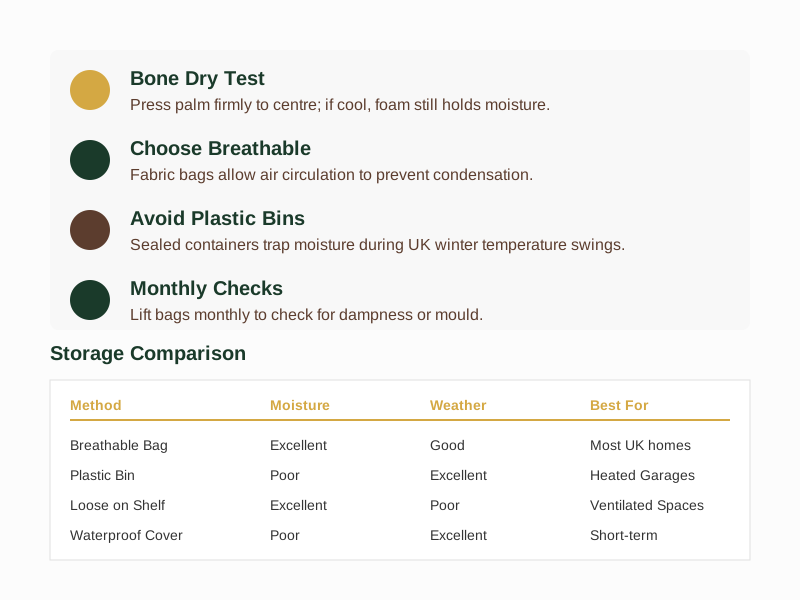
For most UK homes, the breathable storage bag is the practical winner. It handles the moisture question without demanding perfect conditions, and it does enough on the weather-protection side to earn its place. The one situation where I’d reconsider: if your garage or shed stays consistently damp through the winter — and in plenty of UK properties, it does — then even perfectly dried cushions will pull moisture straight back out of the air and the problem returns. In that case, the storage environment matters more than the container you chose.
If you’re weighing up options right now and want a written checklist to work through, the Free Garden Furniture Care Checklist walks through the full process step by step. Get the Free Garden Furniture Care Checklist
Bone Dry Isn’t a Suggestion
Before you put cushions away by any method — bag, bin, or loose on a shelf — they must be completely dry. Not mostly dry. Not surface-dry. Bone dry.
The surface of a cushion can feel perfectly dry to the touch while the foam core and the layered construction inside still hold moisture. This is the step most people skip because it requires a warm, dry day in autumn — and those aren’t guaranteed in the UK. But it’s the single most important thing you can do. No storage method will save a cushion that’s even slightly damp inside. It will mould, and by the time you discover it in spring, the foam core may be compromised beyond cleaning.
To dry cushions properly: leave them in full sun on a warm, dry day — even winter sun on a clear day can do surprising work if the air is dry. Turn them halfway through the day so both sides get exposure. If the weather isn’t cooperating, bring them inside and use a fan in a well-ventilated room for a couple of days. Don’t stack them or fold them while any warmth remains — the trapped heat will drive moisture to the cold side and condense inside the folded fabric.
A useful test: press the flat of your palm firmly against the centre of the cushion. If it feels cool at all, there’s still moisture in the foam. It should feel neutral or slightly warm before you pack it away.
Rescuing Cushions That Already Went Mouldy
If you’ve already stored your cushions and they’ve come out with mould, don’t assume they’re finished. Surface mould on the fabric is often salvageable. Deep mould in the foam core is a different story.
For removable covers: wash them separately in warm water with a mild detergent, or equal parts white vinegar and water. Scrub the seams gently — mould likes to get into the stitching. Air dry completely in sunlight before putting them back. Do not skip the drying step; stuffing a damp cover back onto a foam insert will recreate the problem immediately.
For cushions where the cover can’t be removed: mix a mild detergent solution or the vinegar solution and apply it with a soft brush. Scrub the affected areas gently, then wipe clean with a damp cloth. Rinse thoroughly. Dry completely — this is non-negotiable, and it will take longer than you expect if the foam has absorbed any moisture at all.
Always test any cleaning solution on a hidden area first — the fabric colour and texture can react unexpectedly. Bleach is the one to skip: it damages outdoor fabric fibres, and on this kind of mould it tends to make the problem come back harder rather than settling it. Mild detergent or a vinegar solution does the job without that risk.
If the mould has penetrated into the foam core — you’ll know because the smell doesn’t go away after cleaning the surface, or the foam crumbles when you press it — the insert needs replacing. The fabric cover may still be usable if it’s been properly cleaned and dried.
Cushion Storage: The Questions Worth Answering Properly
Can I store cushions in the shed?
Yes, but only if the shed is dry and the cushions are bone dry before you put them away. If the shed tends to feel damp — condensation on the windows in winter, that particular musty smell — use a breathable storage bag to give yourself a margin of safety.
Do I need to take the covers off the cushions?
It’s worth doing. Removing the covers lets you wash them separately and check the foam inserts for any signs of damp or mould before you reassemble everything. The foam core often holds more moisture than the cover, and you can’t assess it properly while the fabric is on.
Will a waterproof cover keep my cushions dry?
No — this is a common misconception. Waterproof covers keep rain out, but they don’t allow air to circulate. If there’s any moisture inside the cushion or in the surrounding air, the cover traps it rather than letting it escape. A breathable storage bag solves this by allowing air exchange while still protecting against rain.
How often should I check my stored cushions?
Weekly for the first month is worth the ten minutes it takes — that’s when a bad storage choice shows up. After that, once a fortnight is enough, unless your space is genuinely damp or temperature-unstable, in which case stick with weekly. Lift the bag or open the box, have a look and a smell — catching damp early means you can dry things out before mould gets a foothold.
The Palm-Test Version
If you remember nothing else from this: get the cushions properly dry — palm-test dry, not just surface-dry — store them somewhere air can move, and check on them weekly to start with. That’s the difference between cushions that make it to April and cushions that don’t. Everything else here is detail in service of that one habit.
For the fuller picture, the RHS’s own furniture-care guidance lands in the same place: breathable storage, a dry spot, and don’t seal cushions away and forget about them for the winter (RHS: maintaining garden seats and tables).
Related Guides
For a complete overview, see our How to Clean Garden Furniture Cushions and Keep Them Looking New.
If you want a step-by-step walkthrough to keep with your seasonal routine, the Free Garden Furniture Care Checklist takes you through the whole process from end of summer through to spring unpacking. It’s the straightforward, no-faff approach that actually works in a British winter. Get the Free Garden Furniture Care Checklist